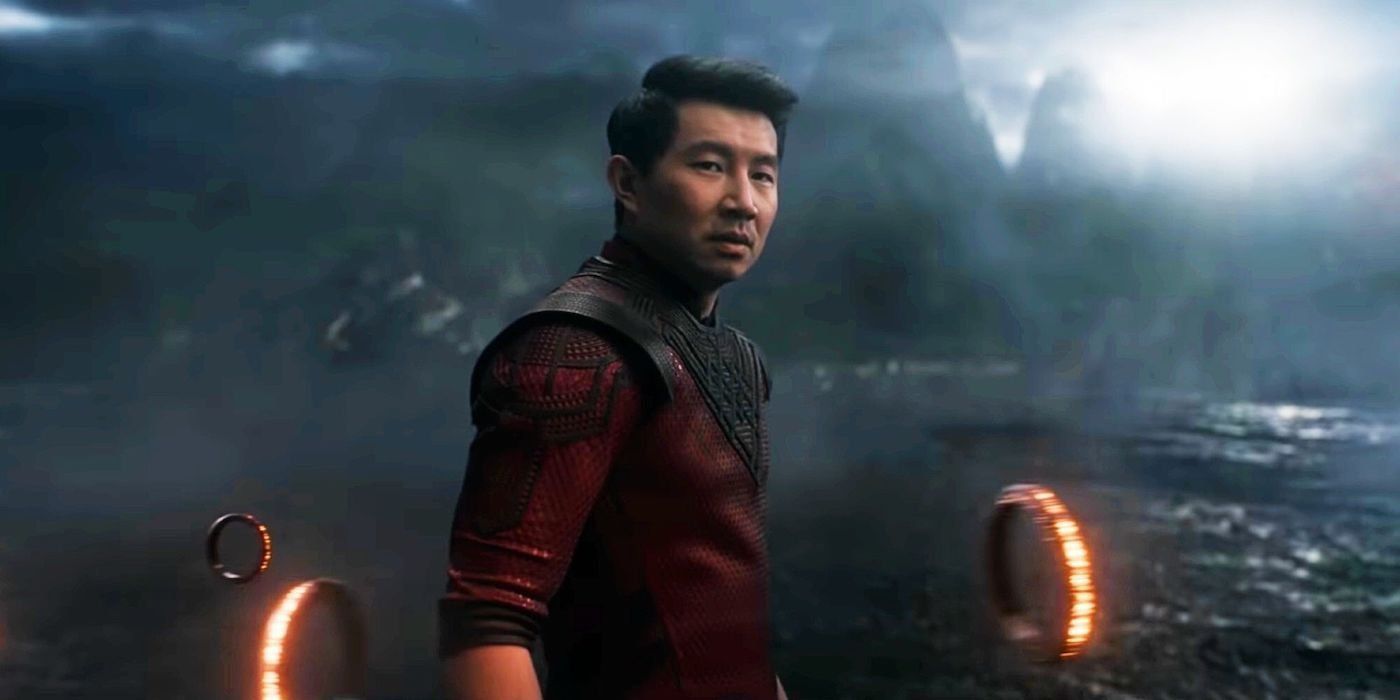
The MCU has just restored a major aspect of Shang-Chi's origin story in Shang-Chi and the Legend of the Ten Rings. The revision, which involves the hero’s assassination mission for the Mandarin (Tony Leung), properly eradicates an unnecessary retcon made to the character’s original story in Marvel Comics. In both the comics and the new MCU movie, the Master of Kung Fu’s journey began with him being sent on a hit for his father. However, the new movie deviates from the comic book canon, returning the character to his roots.
Not long after telling Katy (played by Awkwafina) the truth about his background in the Phase 4 film, Shang-Chi (Simu Liu) explains to her that he broke away from the Mandarin after deciding not to follow through on his orders to kill an enemy when he was 14 years old. In a moment that was presented as a surprising reveal, the character confessed that he in fact did murder his target, which was the man responsible for his mother’s murder. It was an emotional scene for the character, as it demonstrated just how far he was willing to go to please the Mandarin.
Shang-Chi took a number of liberties with the source material, but this particular story is drawn directly from his first-ever appearance in 1973’s Marvel Special Edition #15, when the original version of Shang-Chi’s father – Fu Manchu – sent Shang-Chi to murder Dr. James Petrie, who worked with his enemies, MI-6. At the very beginning of the comic, Shang-Chi successfully murdered Dr. Petrie, only to find out later from Sir Denis Nayland Smith that his father was the true villain all along. Shang-Chi killing Dr. Petrie and how he reacted to it was considered a character-defining moment for him – until a 1975 comic retconned it by revealing that the Dr. Petrie he killed was actually a robot imposter. This is where the MCU takes a different path to the comics. Unlike Marvel Comics, which used a retcon to relieve its hero of his guilt, the MCU kept this event in his history intact.
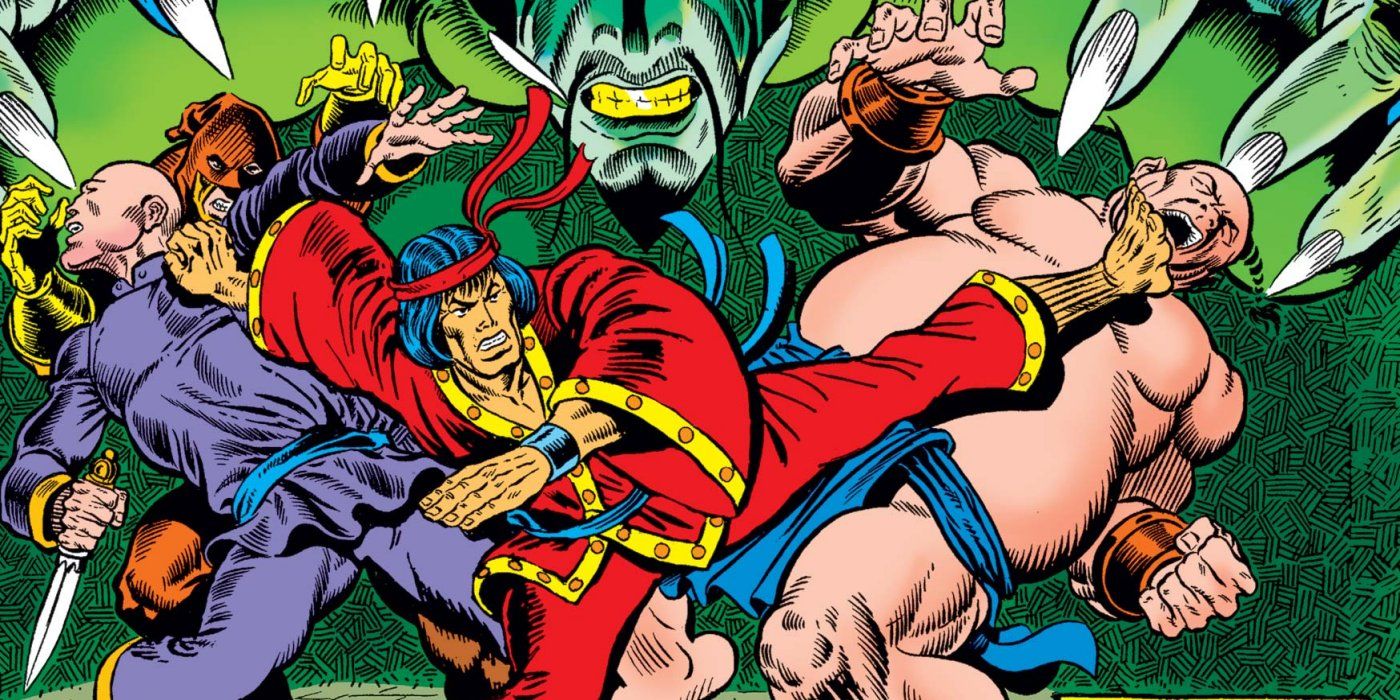
Shang-Chi's response to his first kill is a defining moment for the character and crucial for his arc. Apparently, Shang-Chi was under the false impression at the time that Fu Manchu – a character that has been criticized – was some kind of humanitarian who was killing people for the good of the world. The guilt over the revelation that he had murdered an innocent devastated Shang-Chi, who spent a great deal of time trying to beat Fu Manchu and atone for his crime. This provides a powerful motivation for his actions that makes perfect sense within the wider context of the MCU.
Just as it was in his comic book debut, Shang-Chi’s decision to do his father’s bidding is key to his character development in the MCU. For both versions, it spoke to the lengths at which they would go to achieve their father’s goals, and how much they were devoted to him. And in both stories, the results of their actions were the same: they served as catalysts for their transformations into heroes. The comics might have retconned it, but Shang-Chi and the Legend of the Ten Rings maintained its importance to the story and his evolution into the hero he ultimately becomes.

No comments:
Post a Comment